

In today’s digital age, a reliable home network isn’t just a luxury; it’s a necessity. Whether streaming the latest binge-worthy series or working from home in your pajamas, a solid connection can make or break your day. Imagine buffering during the climactic scene of your favorite show—nightmare material, right?
Overview of Home Networking Solutions
Home networking solutions encompass various technologies that enhance connectivity in residential spaces. Routers act as central devices, distributing internet access to multiple devices. These tools connect smartphones, tablets, computers, and smart home appliances seamlessly.
Wi-Fi networks represent a crucial element of home networking. They eliminate the need for extensive wiring, allowing easy access to internet services throughout the home. Mesh Wi-Fi systems extend coverage, ensuring consistent connectivity in larger homes or challenging layouts. Available in multiple configurations, these systems optimize performance by minimizing dead zones.
Ethernet cabling provides a more stable option compared to Wi-Fi. This wired solution offers faster speeds and lower latency, making it ideal for gaming or streaming high-definition content. Many modern homes incorporate Ethernet ports in key locations for direct connections to devices.
Powerline adapters serve as another viable solution. This technology utilizes existing electrical wiring to transmit internet signals. Convenience factors prominently, as most homes already have access to electrical outlets, making installation straightforward.
Network switches enhance connectivity when multiple wired devices are present. They expand network capabilities by allowing additional Ethernet connections. A home office setup often benefits from network switches, ensuring reliable connections for printers, computers, and additional hardware.
Network security plays a vital role in home networking. Secure passwords and updated firmware prevent unauthorized access. Many solutions feature built-in security protocols, enhancing protection against potential threats.
Selecting the right combination of these elements ensures robust and reliable home networking solutions. They support an increasingly digital lifestyle, accommodating multiple devices while maintaining high performance.
Types of Home Networking Solutions
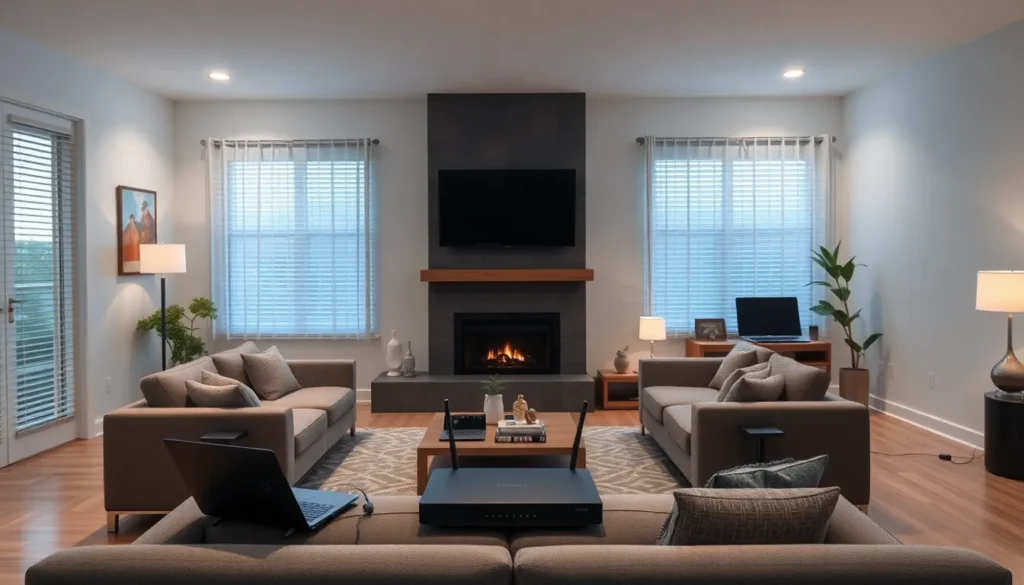

Various home networking solutions cater to different connectivity needs. Understanding these options helps users select the most suitable setup for their lifestyles.
Wired Networking Solutions
Wired networking solutions provide stable connections through physical cables. Ethernet connections are ideal for gamers and heavy streamers seeking reduced latency and faster speeds. Devices such as routers link to multiple devices seamlessly, ensuring quick access. Network switches expand available ports for additional wired devices, perfect for home offices with multiple computers or printers. Cat6 cables support speeds up to 10 Gbps, offering an impressive speed for high-demand applications. Users find that wired solutions minimize interference, ensuring secure and reliable connections.
Wireless Networking Solutions
Wireless networking solutions offer flexibility and convenience throughout the home. Wi-Fi networks allow multiple devices to connect simultaneously without the need for physical cables. Mesh systems enhance coverage, eliminating dead zones in larger homes by utilizing multiple access points. Wi-Fi 6 technology delivers faster speeds, improved efficiency, and better performance in congested areas. Routers equipped with dual-band capabilities can prioritize devices based on activity, ensuring seamless streaming and gaming experiences. Users appreciate the ease of connecting smart home devices, simplifying technology integration across living spaces.
Key Components of Home Networking
A well-structured home network relies on key components that enhance connectivity and performance. Each element plays a crucial role in ensuring a smooth online experience.
Routers and Modems
Routers and modems work together to provide internet access. A modem connects to the internet service provider, while a router distributes that connection to multiple devices. Modern routers, equipped with dual-band capabilities, offer flexibility and prioritize streaming and gaming activities. Wi-Fi 6 technology improves performance, especially in crowded environments. High-end models support speeds exceeding 1 Gbps, ensuring responsive service for online tasks. Selecting the right equipment impacts overall network reliability significantly.
Network Switches
Network switches expand network connectivity by allowing multiple wired devices to connect. They serve as hubs for devices requiring stable connections, ideal for gaming consoles and desktop computers. Quality switches support high data transfer rates, enabling seamless communication between devices. Using a switch can enhance a home office setup by providing reliable connections for printers and servers. Managed switches offer additional features such as traffic monitoring, optimizing performance in larger networks. Including a switch contributes to a robust home network infrastructure.
Access Points
Access points boost Wi-Fi coverage by extending the wireless signal throughout larger homes or areas with dead zones. These devices connect to the existing network and transmit signals to devices in hard-to-reach spots. They enhance the overall performance of a home network by improving connectivity for smartphones and smart home gadgets. Deploying multiple access points ensures consistent connectivity across various floors. Choosing access points that support Wi-Fi 6 maximizes speed and efficiency, accommodating numerous simultaneous users. Enhancing Wi-Fi coverage remains vital for today’s connected lifestyle.
Advantages of Modern Home Networking Solutions
Modern home networking solutions provide numerous advantages that enhance digital experiences. Increased speed characterizes these solutions, allowing multiple devices to operate seamlessly. Devices connected through wired options like Ethernet enjoy reduced latency, making gaming and streaming smoother.
Wireless networks, especially those utilizing Wi-Fi 6 technology, significantly improve performance, even in environments with heavy congestion. Mesh systems extend coverage throughout larger homes, eliminating dead zones and ensuring consistent connectivity. This flexibility meets diverse needs for both leisure and work.
Security features stand out in modern solutions, offering robust protection against unauthorized access. Routers equipped with updated firmware and secure passwords safeguard sensitive information, reinforcing network integrity. Homeowners often prioritize these aspects for peace of mind.
Scalability represents another key advantage. Network switches expand connectivity, allowing additional devices to connect without sacrificing performance. Whether it’s a home office setup or a smart home configuration, these elements adapt efficiently to user demands.
Ease of installation commonly features among user-friendly solutions. Many manufacturers now offer plug-and-play devices, simplifying the process for non-technical users. Quick setups help families connect devices like smartphones, tablets, and smart home appliances in no time.
Finally, the ability to manage bandwidth effectively stands out as a notable benefit. Routers with dual-band capabilities allow users to prioritize devices, optimizing experiences for streaming and gaming. As such, a modern home network remains essential for supporting an increasingly digital lifestyle.
Challenges and Considerations
Installing a home network poses various challenges. Poor Wi-Fi signal in specific areas can frustrate users, especially in larger homes. Dead zones significantly impact streaming and gaming experiences, making it crucial to strategize network placement.
Complicated setups often lead to confusion. Ensuring optimal performance requires understanding dual-band routers and how they manage traffic. Not every device supports the latest Wi-Fi 6 technology, which affects connectivity for older devices.
Network security demands attention. Overlooking secure passwords can lead to unauthorized access, compromising personal data. Regularly updating firmware plays a significant role in safeguarding home networks from potential threats.
Budget constraints present another consideration. Wired solutions, such as Ethernet cables and network switches, can incur initial costs for installation. Balancing performance needs with available resources often challenges homeowners.
Scalability becomes an important factor over time. As more smart devices enter households, ensuring the network can handle increased traffic is vital. Planning for future expansions with scalable solutions prevents performance issues down the line.
Compatibility issues may also arise with different devices. Not all networking equipment works seamlessly together, which might require additional investments. Conducting thorough research before purchasing equipment helps mitigate potential incompatibilities.
Lastly, installation processes vary in complexity. Some solutions offer user-friendly setups, while others may require technical expertise. Assessing personal comfort levels with technology can guide decision-making in choosing the right networking solution.
A well-designed home networking solution is crucial for navigating today’s digital landscape. By understanding the various options available from wired to wireless solutions, individuals can tailor their networks to meet specific needs. Whether prioritizing speed for gaming or ensuring coverage in larger homes, the right equipment can significantly enhance the overall experience.
Investing in modern technology like Wi-Fi 6 and mesh systems can provide the performance and reliability required for seamless connectivity. Additionally, focusing on security and scalability ensures that home networks remain robust as new devices are added. With thoughtful planning and the right tools, anyone can create a home network that supports their lifestyle and keeps them connected.